

Put The Right Inventory In The Right Store.
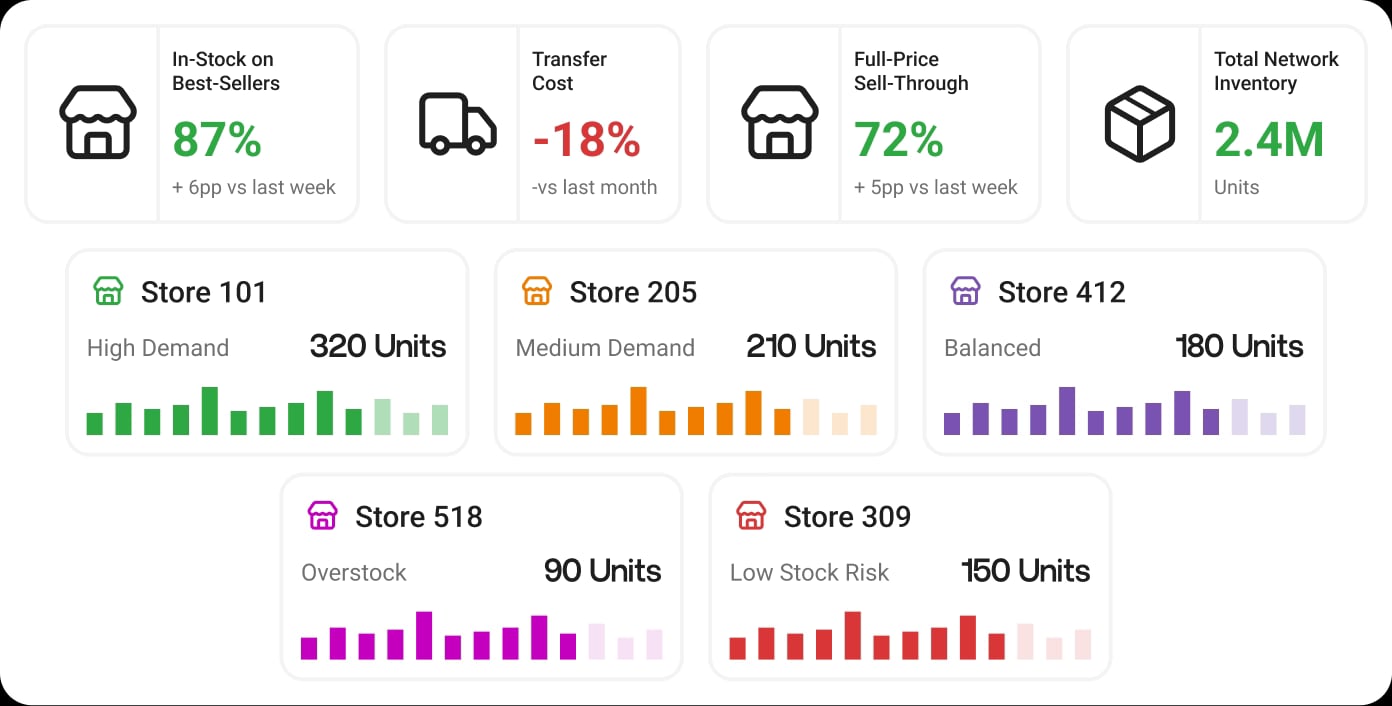
Allocate and replenish inventory based on real demand, store constraints, and inventory availability.
Trusted by enterprise teams worldwide
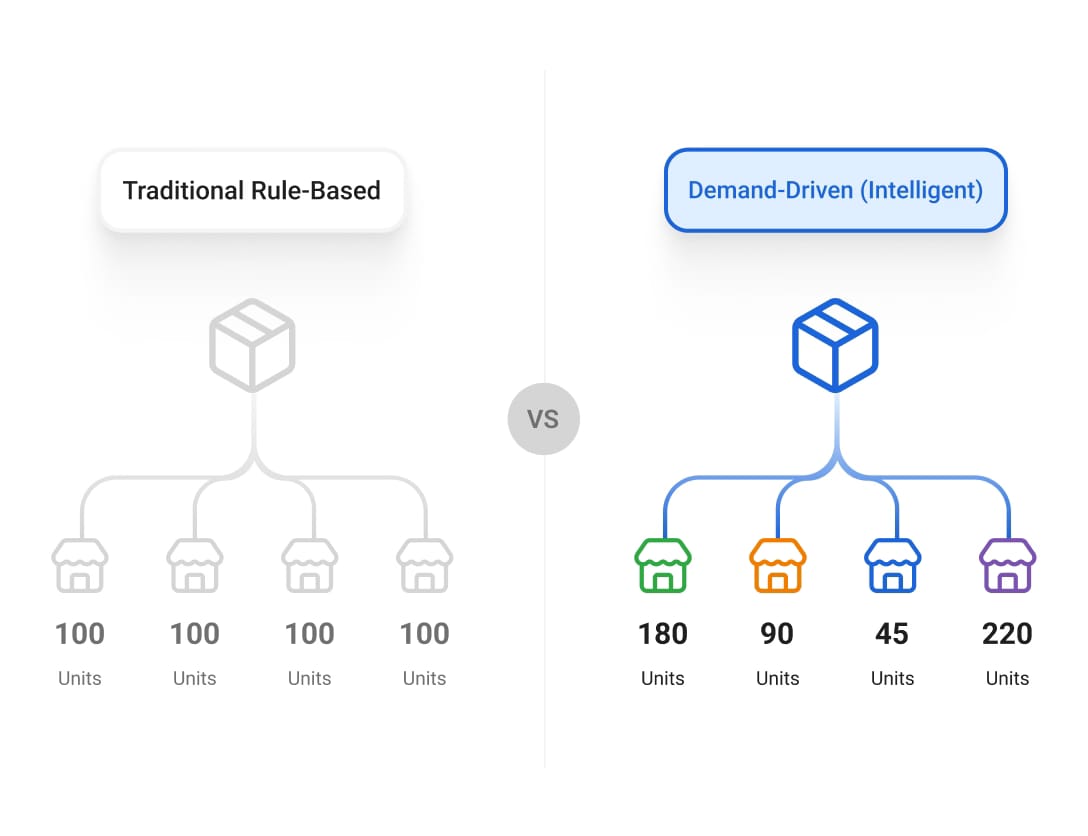
Static allocation rules ignore local demand differences.
Best-sellers stock out while slow movers accumulate elsewhere.
Size and color preferences vary by store and cluster.
Replenishment often reacts after demand has already shifted.
Distribute inventory based on store-level demand, presentation requirements, and operational constraints while continuously rebalancing stock across the network.
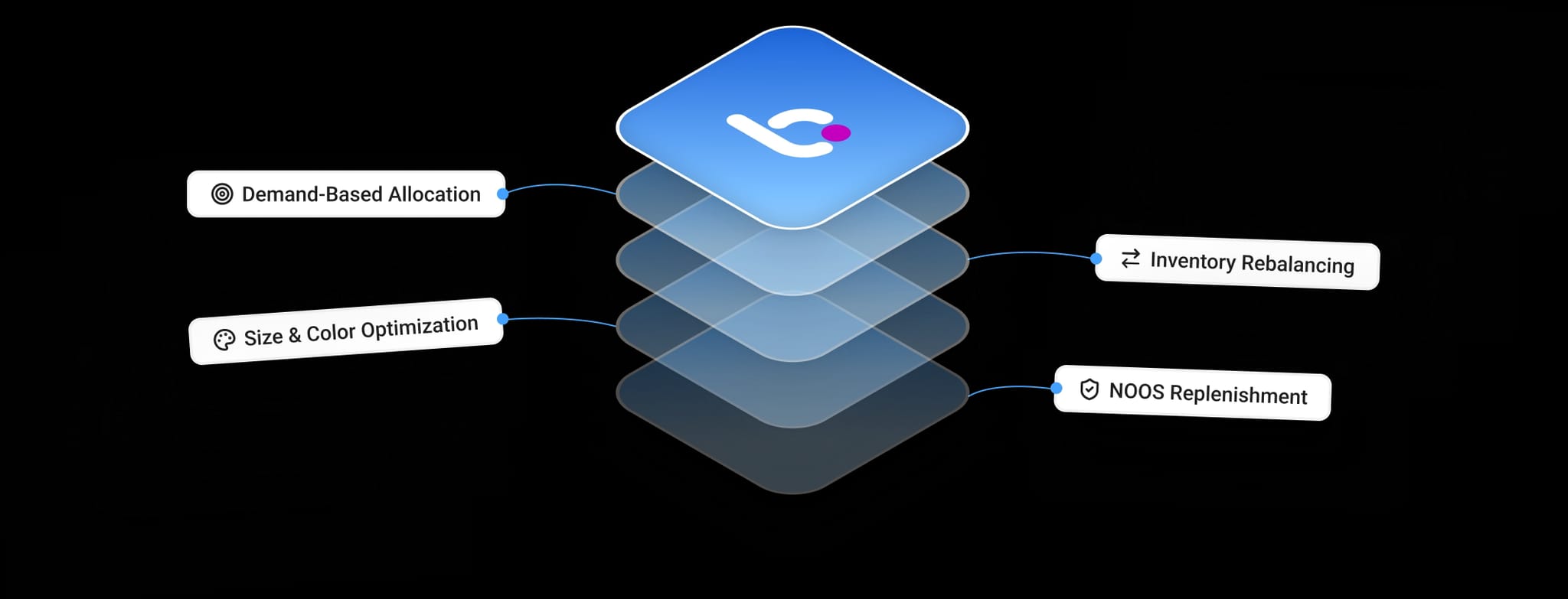
Allocate inventory using predicted demand, product attributes, and store-level selling patterns instead of static rules.
 Store demand profiles
- Product-level allocation
- Cluster-based planning
- Inventory optimization
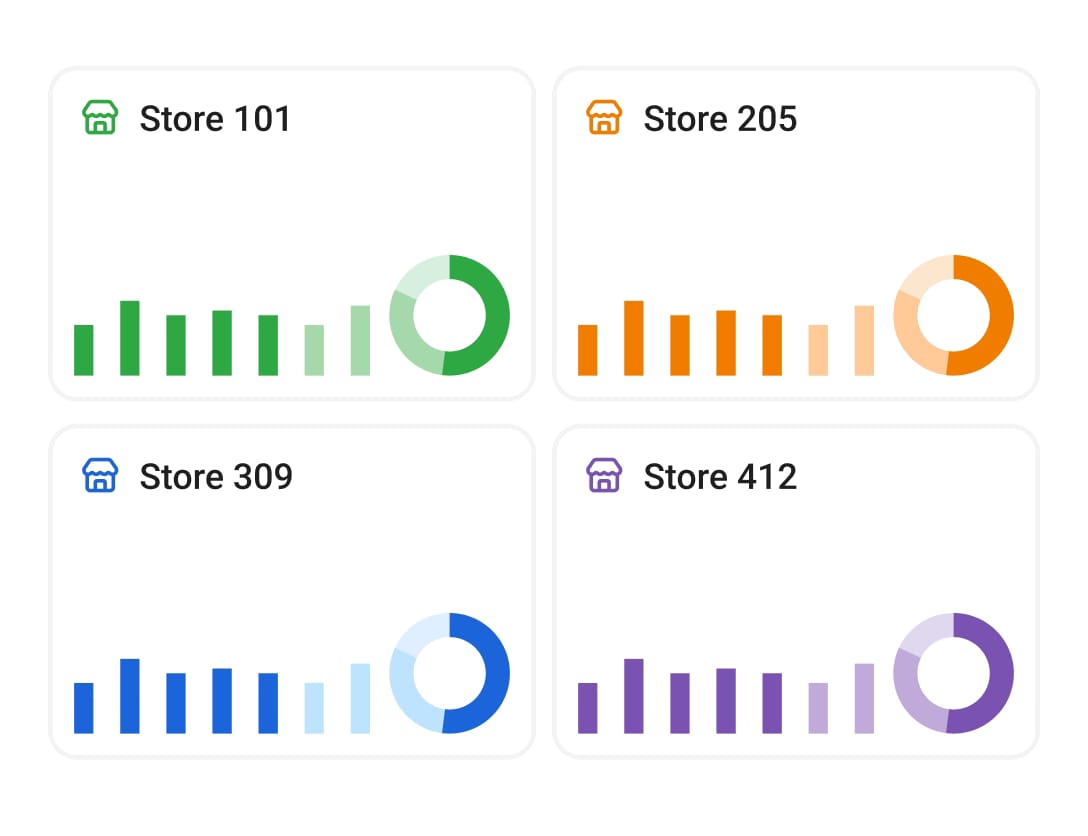
Optimize size and color curves by store and cluster to match local buying behavior.
- Size curve planning
- Color optimization
- Cluster analysis
- Local demand matching
Account for pack sizes, presentation minimums, shelf capacity, and operational constraints in every allocation decision.
- Capacity constraints
- Presentation minimums
- Pack optimization
- Operational alignment
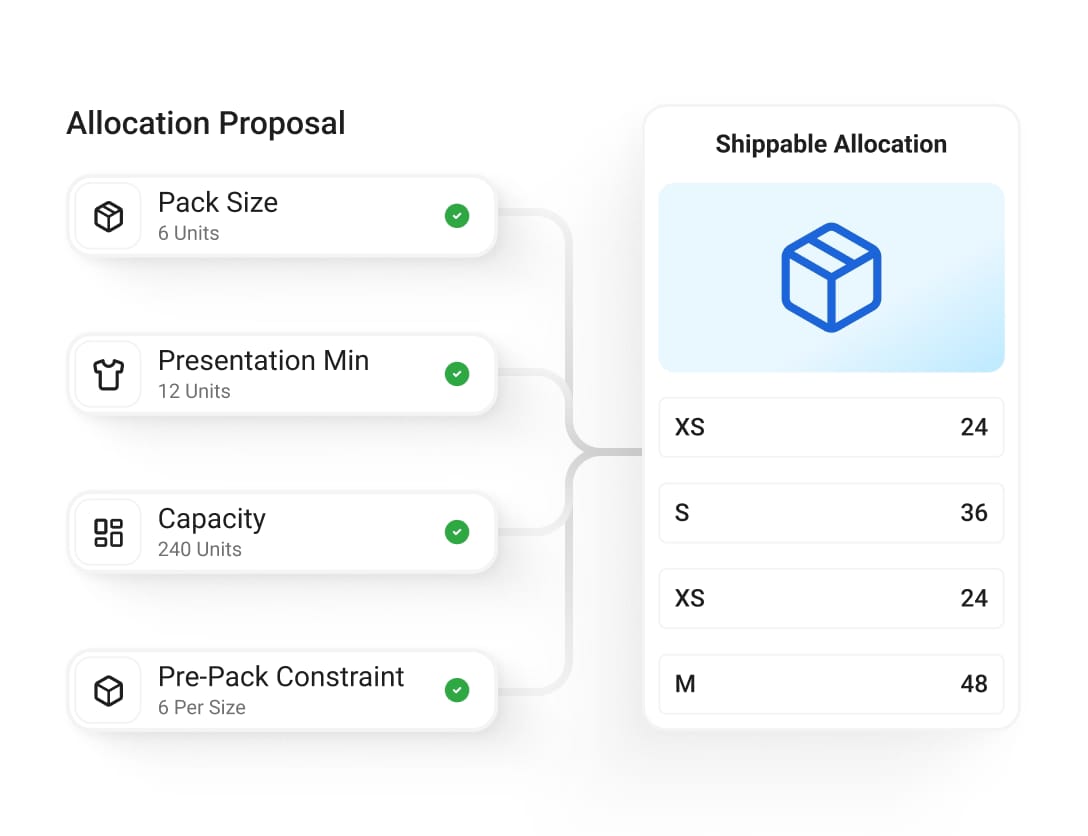
Transfer stock between locations to reduce markdown risk and maximize full-price selling opportunities.
- Inter-store transfers
- Demand balancing
- Margin recovery
- Inventory redistribution
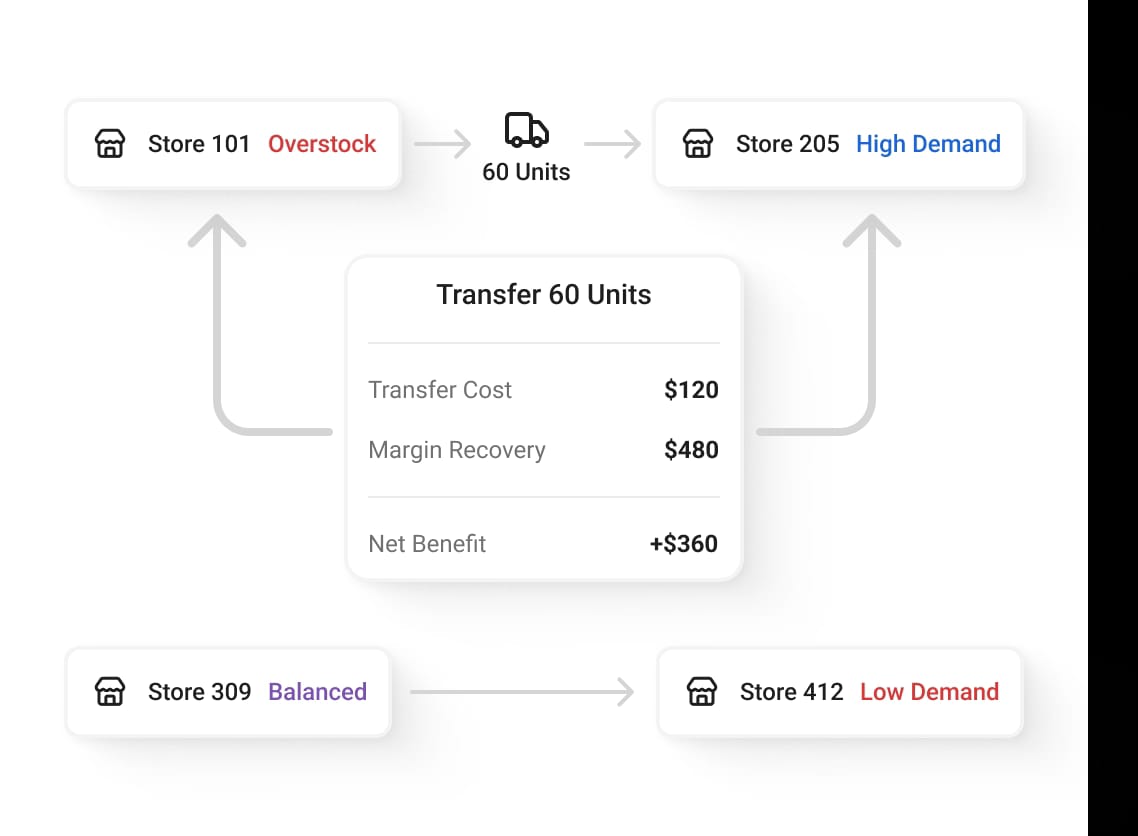
Automate replenishment for never-out-of-stock products using demand forecasts, lead times, and safety stock rules.
- NOOS planning
- Safety stock
- Lead-time management
- Automated replenishment
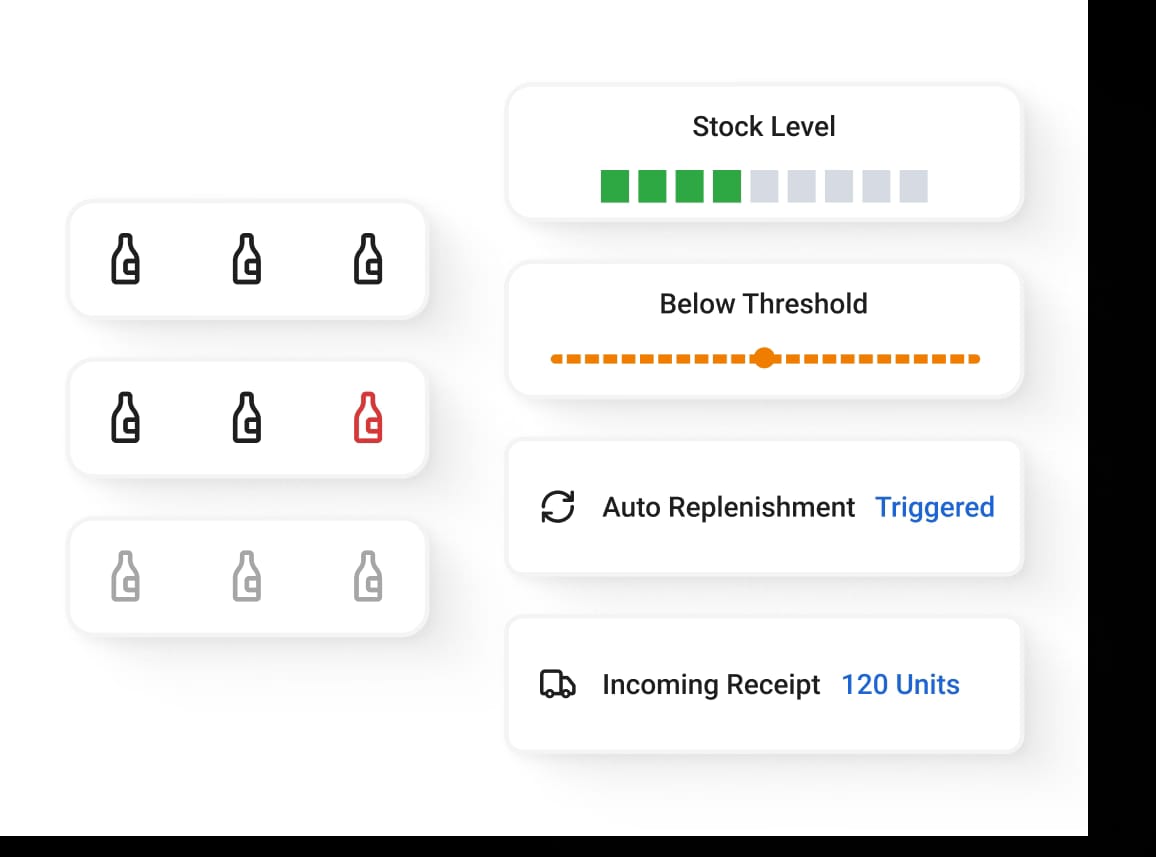
Integrate allocation and replenishment decisions directly with ERP and warehouse systems for execution.
- ERP integration
- WMS connectivity
- Automated execution
- Closed-loop planning
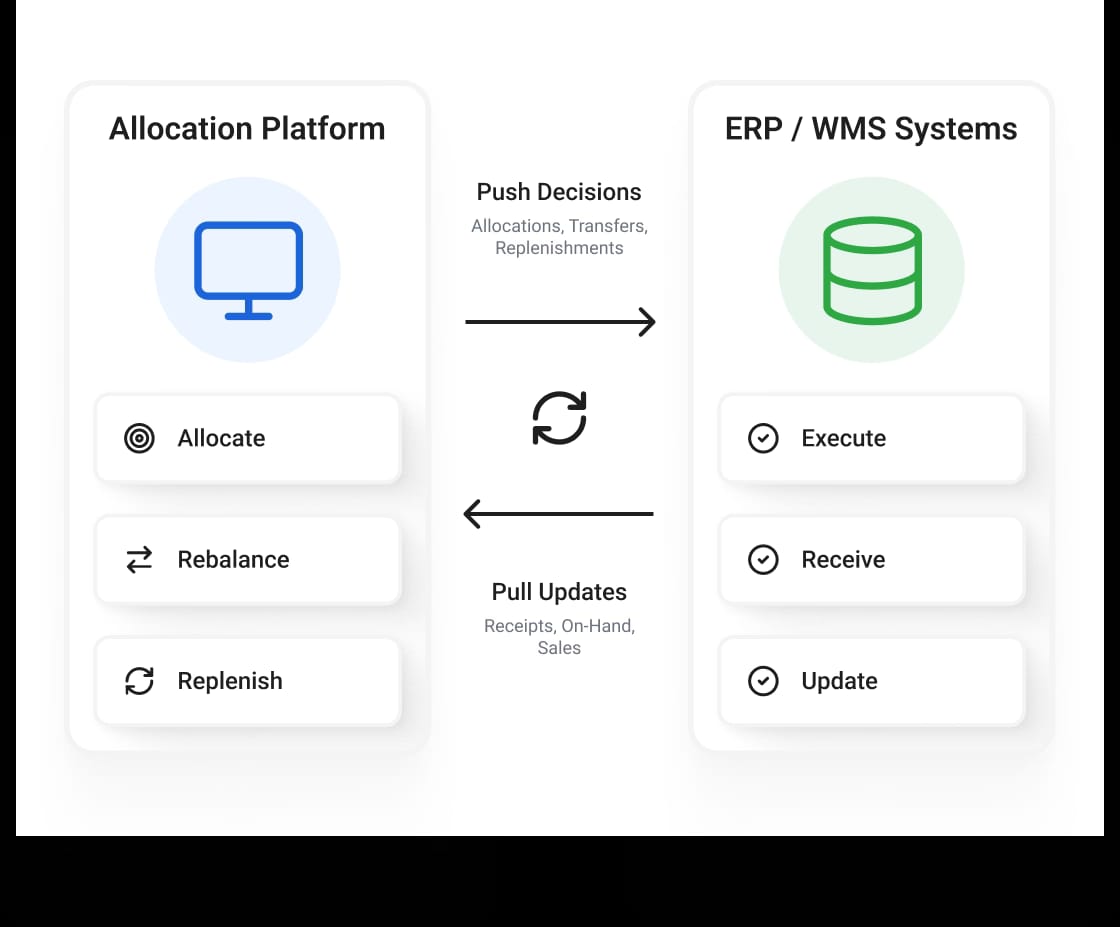
Allocate inventory using predicted demand, product attributes, and store-level selling patterns instead of static rules.
- Store demand profiles
- Product-level allocation
- Cluster-based planning
- Inventory optimization
Optimize size and color curves by store and cluster to match local buying behavior.
- Size curve planning
- Color optimization
- Cluster analysis
- Local demand matching
Account for pack sizes, presentation minimums, shelf capacity, and operational constraints in every allocation decision.
- Capacity constraints
- Presentation minimums
- Pack optimization
- Operational alignment
Transfer stock between locations to reduce markdown risk and maximize full-price selling opportunities.
- Inter-store transfers
- Demand balancing
- Margin recovery
- Inventory redistribution
Automate replenishment for never-out-of-stock products using demand forecasts, lead times, and safety stock rules.
- NOOS planning
- Safety stock
- Lead-time management
- Automated replenishment
Integrate allocation and replenishment decisions directly with ERP and warehouse systems for execution.
- ERP integration
- WMS connectivity
- Automated execution
- Closed-loop planning
You can move forward with full trust, no guess work

Allocate inventory smarter, replenish faster, and keep products available where customers want them most.